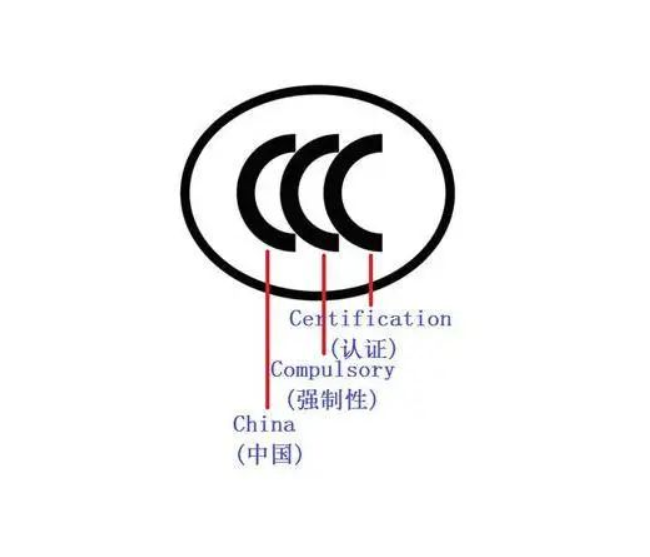
The core requirements and implementation nodes of CCC certification
The CCC certification for lithium-ion batteries and battery packs is a mandatory access standard for the safety of electronic products in China, which has been officially implemented since August 1, 2023. This certification is based on national standards such as GB 31241-2022 and covers lithium battery components of portable electronic products (such as mobile phones, laptops, tablets) and power banks and other devices. Uncertified products will be prohibited from sale starting from August 1, 2024. Enterprises need to complete compliance layout before then.
The core of certification lies in ensuring the safety of batteries. The testing scope covers electrical performance (such as overcharge protection, short-circuit protection), environmental adaptability (high temperature, low temperature, vibration tests), as well as safety indicators such as fire and explosion prevention.
The boundaries of the certification scope and exceptional cases
The scope of application of CCC certification focuses on the field of portable electronic products. Specifically, lithium batteries in devices such as mobile phones, Bluetooth speakers, printers, and walkie-talkies all need to be certified, while power banks and portable energy storage power supplies weighing no more than 18kg are also within the scope of management. However, it should be clearly excluded that lithium batteries used for household appliances, power tools, toys or e-cigarettes are not within the scope of CCC certification for the time being.
Enterprise compliance paths and service support
For manufacturing enterprises, the certification process typically includes steps such as document submission, type testing, factory inspection, and post-certification supervision. Professional institutions can provide full-process services from standard interpretation to testing and rectification, helping enterprises identify compliance gaps in aspects such as electrical safety and structural design of their products. Completing certification ahead of schedule is not only a prerequisite for market access, but also a key measure for enterprises to avoid legal risks and establish a safe brand image.